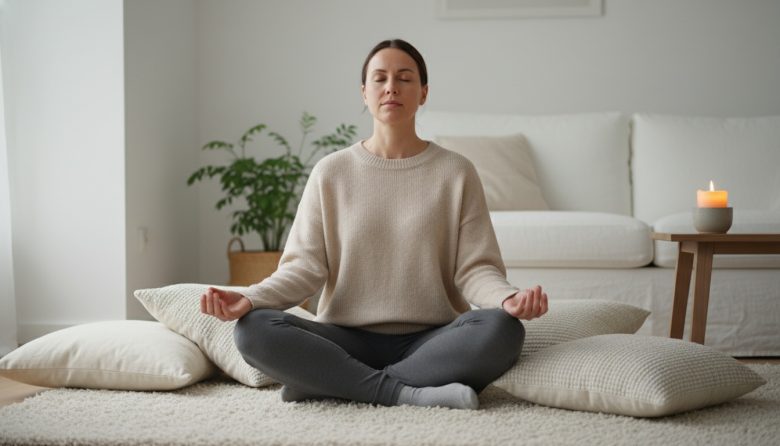
Picture this: You're crammed on a subway, screen glaring, tension knotting your shoulders from back-to-back meetings. I remember my first body scan—five minutes in my tiny apartment, and bam, reset button hit. No robes, no apps needed. This quick body scan drops stress fast, fits your urban grind, and builds calm without the hassle. Ready to reclaim your headspace?
Why Your Desk-Jockey Body Craves This Reset
City life piles on stress like unread emails. Long commutes, endless screens, and hunching over laptops turn your body into a tension factory. I used to end days with a stiff neck from scrolling late into the night—pure spiral.
Body scans cut through that noise. They spotlight where stress hides, like tight jaws from conference calls. Science backs it: Studies show just minutes of scanning lowers cortisol, loosens muscles, and sharpens focus for that afternoon slump.
For me, it fixed my scroll addiction. One scan mid-evening, and suddenly sleep came easier—no more tossing. You get looser muscles, better decisions under pressure, and a sleep boost that beats caffeine crashes.
Urban bonus: It counters the desk hunch. No gym required. Just notice, release, repeat—your body thanks you by evening.
Zero-Gear Setup for Small Spaces or Cubicles
No fancy setup here. Grab any chair in your cubicle, stand by your desk, or sit on the subway floor if you're bold. I do mine leaning against my apartment wall—zero space needed.
Breath primer keeps it simple: Inhale for four counts, exhale for six. This anchors you fast. Set your phone to a five-minute vibrate alarm so it blends into meetings or commutes.
Urban hack: Eyes-open scans work wonders in traffic or crowded trains. No closing out the world—just tune inward. If noise bugs you, earplugs optional, but city buzz often fades anyway.
Pro tip: Wear loose clothes if possible, but jeans work fine. The goal is ease, not perfection. You're set in under ten seconds.
- Step 1: Anchor with breath (0-30 sec) - Sit or stand comfy, eyes soft or closed. Take three deep breaths, feel the air fill your lungs and flow out. Notice the rise and fall—your mind's entry point.
- Step 2: Feet and legs (30-90 sec) - Shift attention to toes, then heels, arches, calves, up to thighs. Any tingling or tightness? Don't fight it—just observe and let it soften naturally.
- Step 3: Torso and arms (90-180 sec) - Move to belly, ribs, chest. Check shoulders for that desk creep, down arms to elbows, wrists, fingers. Spot the hunch? Breathe into it.
- Step 4: Head and face (180-270 sec) - Scan jaw for clenching, cheeks, forehead wrinkles, scalp tingles. Release screen squint around eyes. Ears and neck get a gentle once-over.
- Step 5: Full-body return (270-300 sec) - Sweep from head to toes in one go. End with a deep grateful breath. Wiggle fingers and toes to seal the reset.
That's the flow—sequential, no rush. I add a mental note on tight spots each time. Builds awareness over days.
Quick Tips to Nail It Without Overthinking
- Timer on vibrate mode—slips into meetings unnoticed.
- Mind wanders to to-do lists? Label it "thinking" and drift back to breath.
- Stack with coffee break; turns it into an auto-habit.
- Standing version crushes commute boredom—feet planted, scan up.
- Voice note feelings right after; spots patterns like shoulder stress from emails.
- Rushed? Shrink to two minutes, hit key zones.
- Track mood pre and post in your notes app—data motivates.
For Busy Days: The 2-Minute Desk Version
Deadlines looming? Strip it to essentials. Start with breath anchor for 20 seconds—deep in, slow out.
Next, 60 seconds on legs and torso: Toes to chest, release the hunch. I do this muted on Zoom, eyes on screen but mind scanning.
Finish with 40 seconds on head and full sweep. Ends sharp. My deadline savior—stops me snapping at coworkers.
Fits any desk, no one notices. Pairs perfect when you're organizing your day for less overwhelm, like slotting it post-lunch. Keeps energy steady through chaos.
Make It Sustainable: Stack and Repeat
Sustainability beats intensity. Link scans to routines you already crush: Post-morning alarm, pre-lunch crunch, or end-of-commute.
Weekly check-in: Hit it three times? Note what dragged—maybe mornings clash. Tweak: Shift to evenings if needed. I started sloppy, now it's autopilot.
App reminders build streaks without nagging. Long-term payoff: Less reacting to city horns or email pings, more steady respond. Combine with simple meal prep for balanced energy to amplify the calm.
Picture winding down after with a relaxing bath ritual—scan first sets the tone. Track progress monthly: Fewer tension headaches? You're winning. Make the 2-minute fallback your safety net.
Repeat daily for compound gains. Tension fades, focus sticks. Your urban routine levels up quietly.
Frequently Asked Questions
Can I do this lying down in bed?
Absolutely, it's gold for pre-sleep wind-down. Just prop up if you doze easy. I use it post-late dinner—melts the day away.
What if my mind races the whole time?
Totally normal for screen-fried brains. Notice the racing thoughts, label gently, redirect to body. Gets easier after five tries—no beating yourself up.
Works for beginners with zero meditation background?
100%, no prior experience needed. Start messy; reps polish it. My first was scattered—now it's my reset.
Any tweaks for chronic tension like back pain?
Slow down on tight spots, linger with breath. Follow with a desk stretch: Roll shoulders back. Consult doc for ongoing pain, but this eases daily buildup.
How often for real stress relief?
Daily packs the punch, but three times weekly holds gains. I aim mornings and evenings—fits small apartments fine. Adjust to your grind.
Does it help with anxiety during commutes?
Yes, eyes-open version shines here. Feet on floor, scan up amid the sway. I cut subway freakouts in half this way.
Can I combine it with walking in the city?
Sure, moving scan: Slow steps, check legs first. Great for lunch breaks. Keeps blood flowing, tension low.
What if I forget the steps?
Phone audio memo of steps works. Or bookmark this—first few days, peek if needed. Muscle memory kicks in quick.



Comments
Pingback: Beginner Gentle Movement for the Whole Body: The 10-Minute Nervous System Reset - Lofi Pact